

Eliminate Facade Liability With Certified Commercial Window Cleaning
Certified Safety. Uncompromising Clarity. Trusted Results.
Property managers face severe legal exposure from informal maintenance standards. We execute high-rise window cleaning using documented OSHA 1910.27 protocols, audited anchor testing, and SPRAT-certified technicians. Zero accidents. Zero compliance gaps.
Institutional-Grade Facade Risk Management
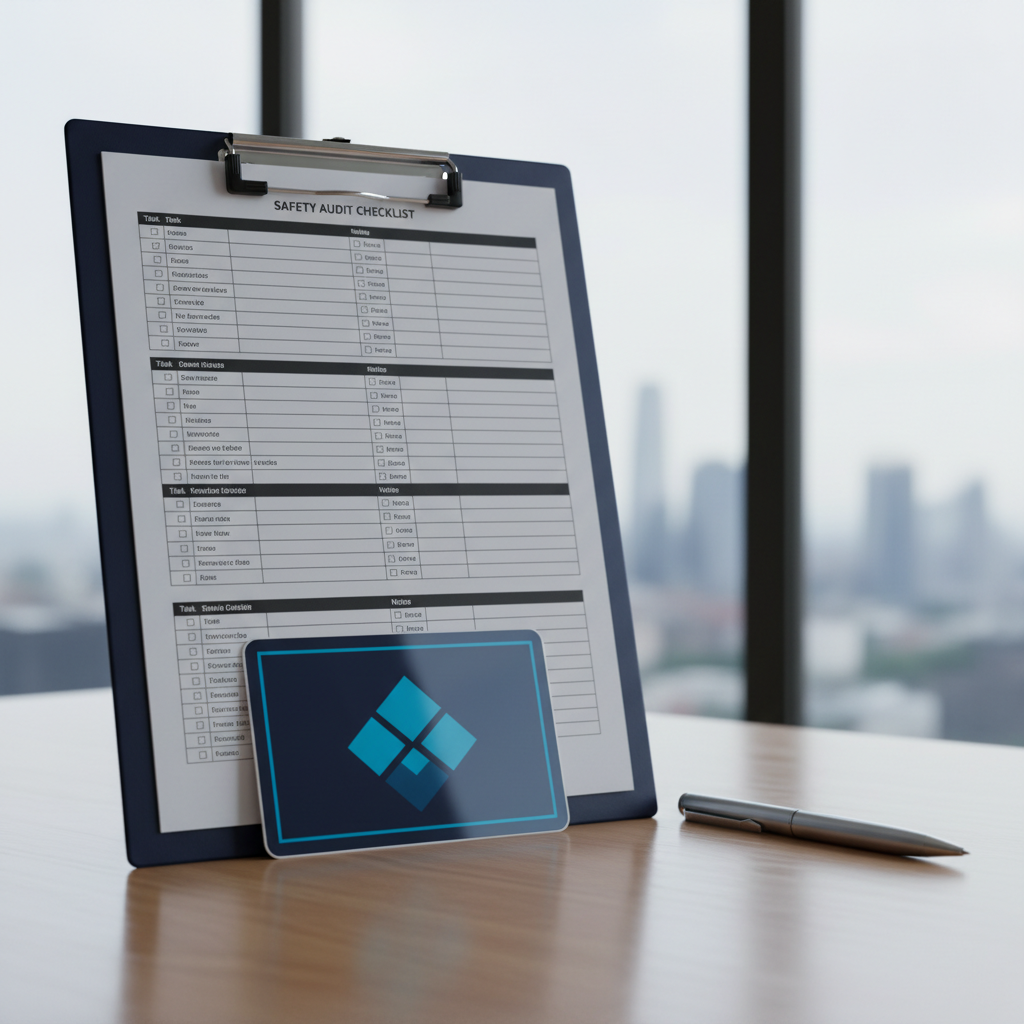
🏗️ Documented Anchor Inspections
We verify and log roof anchorage systems before a single rope drops. If your anchors lack current annual certification, we halt operations and coordinate immediate load testing.
🪢 SPRAT-Certified Technicians
Every technician operating on your facade holds active Society of Professional Rope Access Technicians credentials. We reject the industry standard of uncertified subcontractors.
📋 Job Hazard Analysis (JHA)
You receive a site-specific JHA 48 hours prior to deployment. This document outlines wind-speed thresholds, pedestrian drop-zone barricades, and emergency rescue protocols.
🏛️ Higher Education & Campus Expertise
Developed by institutional facility directors, our protocols handle complex, multi-building campus environments. We manage pedestrian traffic flow and strict access windows without disrupting daily academic operations.
📸 Post-Service Compliance Reporting
We deliver a photographic log of your facade’s condition alongside our completion certificate. This creates a verifiable maintenance record that satisfies insurance underwriters.
Commercial Facade Maintenance & Compliance Services
🏢 High-Rise Rope Access Cleaning
We execute exterior glass maintenance for structures exceeding 300 feet. Our Rope Descent Systems (RDS) protocols strictly adhere to OSHA walking-working surfaces standards.
🎓 Institutional Campus Maintenance
Scaled facade servicing for universities and healthcare facilities. We coordinate multi-building schedules around academic calendars and hospital shift changes.
🏗️ Post-Construction Glass Clearing
Removal of silicone, stucco, and construction debris from newly installed curtain walls. We use specialized non-abrasive solvents that protect your warranty.
⚓ Annual Anchor Certification Coordination
We manage the mandatory 10-year load testing and annual visual inspections for your roof anchors. You receive stamped engineering reports for your compliance files.
💧 Hard Water Stain Remediation
Chemical restoration of glass degraded by sprinkler runoff or precast concrete leaching. We restore optical clarity and apply protective sealants to prevent structural glass damage.
🏢 Mid-Rise Water-Fed Pole Cleaning
Ground-level operations for buildings up to 5 stories using purified deionized water. This eliminates ladder fall risks and leaves a spot-free finish without chemical residue.
Verifiable Liability Reduction & Maintenance Outcomes

14-Building University Campus, Orlando
Before: The institution faced a 30% insurance premium hike due to undocumented facade maintenance practices and expired roof anchor certifications.
After: We instituted a centralized compliance dashboard and completed full campus glass restoration, satisfying underwriters and reversing the premium increase.
⏱ 45 days
Class-A Office Tower, 1 Jeff Fuqua Blvd
Before: Previous vendors caused $14,000 in scratched curtain wall damage using improper post-construction razor techniques.
After: We restored 120,000 square feet of glass using solvent-based debris removal, achieving zero warranty violations.
⏱ 21 days
Regional Healthcare Facility
Before: Facility managers lacked a documented Job Hazard Analysis for their mid-rise window cleaning, exposing the hospital to severe OSHA fines.
After: We delivered a 40-page site-specific safety plan and executed the cleaning with zero pedestrian disruptions near the ER entrance.
⏱ 14 days
The Facade Risk Mitigation Protocol
1
Initiate the Site Audit
We conduct a physical inspection of your roof anchors, parapets, and drop zones within 72 hours of your request. You receive a preliminary risk assessment detailing current OSHA compliance gaps.
2
Review the Job Hazard Analysis
Our safety directors draft a site-specific operational plan. You approve the pedestrian barricade layouts, wind thresholds, and emergency rescue procedures before scheduling.
3
Execute and Document
SPRAT-certified technicians complete the facade maintenance under strict supervision. We deliver a final compliance packet containing photographic evidence and signed safety logs for your records.
Frequently Asked Questions
Do you require our building to have certified roof anchors before you clean the windows?
Yes. OSHA 1910.27 mandates that building owners provide written proof of anchor certification before any worker uses a Rope Descent System. If your anchors lack current documentation, we coordinate the required engineering inspection before beginning work.
How do you handle pedestrian safety in high-traffic areas like university campuses or airports?
We establish hard barricade drop zones managed by a dedicated ground safety monitor. No technician drops until the ground monitor confirms the exclusion zone is secure and strictly enforced.
What happens if wind speeds exceed safe limits during a high-rise project?
We halt operations immediately when sustained winds reach 25 mph or gusts exceed 30 mph. Our site supervisors carry anemometers and have absolute authority to ground the crew without consulting property management.
Are your technicians direct employees or subcontractors?
Every technician is a direct W-2 employee covered by our $10M liability and workers’ compensation policies. We strictly prohibit subcontracting to ensure absolute control over safety protocols and training standards.
Stop Guessing About Your Facade Liability
Uncertified window cleaners expose your property to catastrophic legal and financial risk. Secure your site with a documented, OSHA-compliant maintenance plan within 24 hours.
Written & Reviewed By
Dara Melnyk
Innovative universities & HE transformation
Dara Melnyk is a seasoned professional and strategic leader who brings a wealth of experience in organizational transformation and global engagement to the crystalclearwindowz.com team. With a background that includes serving as the Director of Global Engagement at HESA and a tenure at the prestigious Boston Consulting Group (BCG), Dara applies her high-level analytical skills and commitment to excellence to the home maintenance and window care industry. Her expertise lies in streamlining complex processes and ensuring that every piece of advice shared on the platform meets the highest standards of professional quality and reliability. Throughout her career, Dara has been recognized for her ability to drive innovation and lead large-scale transformations. At crystalclearwindowz.com, she leverages this experience to help homeowners and property managers achieve pristine results through efficient, expert-backed strategies. Her unique perspective ensures that the site remains a trusted authority in the niche, focusing on both the technical aspects of glass care and the broader importance of property upkeep. Dara is deeply passionate about empowering others with the knowledge and tools they need to maintain beautiful, sustainable environments.
Latest from Our Blog
Why Regional Centers Fix Outages While National Call Centers Wait
The Structural Failure of Remote Support When a homeowner notices water pooling on an interior sill or feels a sharp…

Why Most Support Services Fail the 24-Hour Recovery Test
A homeowner in a frigid suburb of Chicago called me last January in a sheer panic because their brand-new, high-dollar…

How to Get a Cash Refund When Your Support Service Fails
The Anatomy of a Service Failure: Why Your Guaranteed Support Is Not Enough In the world of high-performance glazing, a…