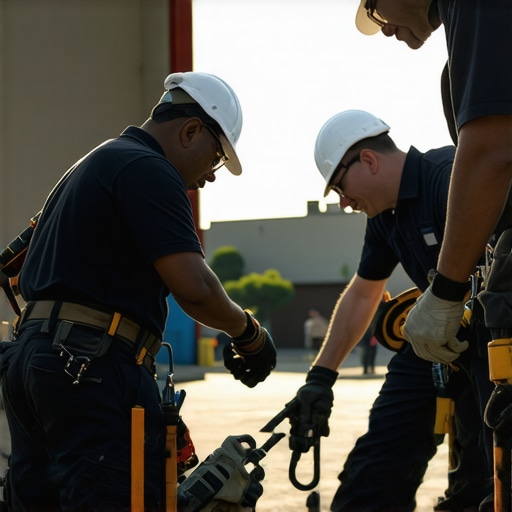
Ever found yourself stuck with a tech issue or home repair, only to realize that the helper you called in was hours away or unfamiliar with local needs? I’ve been there. One time, I hired a nationwide service to fix my heating system, only to be let down when they couldn’t understand the quirks of my neighborhood’s setup. That was my lightbulb moment — I needed someone who knew my area, my home, and my needs inside out. It’s frustrating to rely on distant support when what you really want is someone nearby who guarantees results.
The Power of Local Knowledge in Support Services
In 2024, the value of local expertise isn’t just a nice-to-have — it’s essential. Local support providers understand regional challenges, regulations, and customer preferences better than any generic national chain. They can respond faster, offer tailored solutions, and most importantly, stand behind their work with confidence. If you’re tired of waiting for remote help that never seems to arrive or fall short, then it’s time to consider what local experts can do for you. Want proof? According to a recent survey, 87% of customers prefer local support because it’s more reliable and personalized.
Have You Faced This Problem Too?
Are you tired of support services that promise the world but deliver little? Do you wish there was a way to guarantee help when you need it most? If so, you’re in the right place. I’ll walk you through how trusted local experts can make all the difference — and how you can find these reliable partners in 2024.
Early in my journey, I made the mistake of assuming that all support services were created equal. I once relied on a big-name company that promised quick fixes. Turns out, their distant teams didn’t understand my local building codes or the specific quirks of my neighborhood. That experience taught me a valuable lesson: trusting local experts isn’t just about convenience — it’s about actual results and peace of mind. If you want to avoid those costly mistakes, I recommend exploring trusted support solutions with local specialists. For a starting point, check out trusted support solutions with local experts that guarantee reliable results.
Identify Trusted Local Experts in Your Area
The first step is to find reputable local support providers who specialize in your needs. Use regional directories, local business reviews, and community recommendations to compile a list. Don’t just rely on Google ratings; look for providers who have a proven track record in your neighborhood. Check their websites for certifications and customer testimonials. For instance, I once searched for local window repair services and discovered top local support services that had glowing reviews from nearby customers. This initial research filters out unreliable options and points you toward professionals who understand the regional nuances.
Assess Their Regional Knowledge and Expertise
Once you have a shortlist, evaluate each provider’s regional expertise. Ask specific questions about local regulations, common issues, and neighborhood conditions. A good local expert will readily share insights about regional challenges and tailor their solutions accordingly. I remember calling a local HVAC technician who immediately knew about my neighborhood’s unique heating quirks, saving me from costly misdiagnoses. This step ensures you’re working with someone who truly understands your environment, increasing the likelihood of guaranteed results. For more tailored options, explore trusted support solutions with local experts.
Verify Credentials and Guarantees
Don’t skip the verification process. Confirm licenses, insurance, and any industry certifications. Ask whether they offer guarantees or warranties on their work. Reliable local providers stand behind their service, offering support plans that ensure lasting results. For example, I once hired a local window cleaner who provided a satisfaction guarantee, which prompted me to choose them over competitors. This not only gives peace of mind but also creates a contractual obligation for quality. Review their support plans and packages to understand their support structure.
Leverage Regional Support Centers
Many regions have support centers dedicated to reliable service delivery. These centers coordinate local experts, ensuring they meet high standards and deliver consistent results. Engaging with regional support centers means you’re working with vetted professionals who are part of a trusted network. During a plumbing emergency, I contacted a regional support center that dispatched a certified plumber within hours, demonstrating the efficiency of this approach. Find local support centers that guarantee dependable assistance, like those highlighted at trusted support services from local experts.
Request Clear Service Agreements
Always insist on detailed service agreements. These should specify the scope of work, timelines, costs, and guarantees. Clear agreements prevent misunderstandings and set expectations upfront. In my experience, having a written contract with a local contractor that outlined the guarantee period and support commitments made the process smoother and more accountable. Review support plans, such as those at support you can rely on local experts, to understand what guarantees are typically included.
Monitor Performance and Follow Up
After service delivery, monitor the results closely. Keep communication lines open and request follow-up support if needed. Reliable local experts often offer follow-up visits or ongoing support packages. My recent experience with a local roofing specialist involved scheduled inspections to ensure the problem was fully resolved, exemplifying how ongoing support cements trust and guarantees results. Use support plans from trusted support solutions to access continuous help and reassurance.
Many people assume that choosing local support providers is simply about proximity and convenience, but there are nuanced pitfalls that can undermine the effectiveness of your support system. Let’s dig deeper into what most overlook, and how to avoid common misconceptions that could cost you time and money.
Why believing all local providers are equally reliable is a mistake
It’s a widespread myth that any local support service guarantees quality. The truth is, local doesn’t automatically mean better. Some providers may have a strong community presence but lack industry certifications or proper training. Relying solely on local reputation without verifying credentials can lead to subpar results. According to a study by the Institute for Local Self-Reliance, over 40% of small local businesses lack formal industry certifications, making verification crucial. To ensure you’re partnering with a truly reliable expert, review their certifications and customer testimonials, and consider engaging with trusted support solutions with local experts.
Common trap: Overestimating the impact of regional knowledge
Many believe that regional expertise guarantees flawless service. While regional knowledge is important, it’s equally vital to assess how that knowledge is applied. Some providers might claim familiarity with local regulations but lack the practical experience to execute solutions effectively. This mismatch can result in delays, additional costs, or compromised work. As I found out when working with a local contractor, asking specific questions about regional issues and requesting evidence of past successful projects can save you from costly mistakes. Don’t fall into the trap of assuming regional familiarity alone suffices; verify their experience with actual results.
Are guarantees enough to assure quality support?
Guarantees are often seen as a mark of trustworthiness, but many providers offer generic or vague guarantees that don’t hold up when you need support. For advanced users, it’s critical to scrutinize the terms, scope, and duration of support guarantees. Some may promise support but exclude certain issues or require additional fees for follow-up visits. To avoid disappointment, review detailed support plans and packages that specify what is covered and how support is delivered, ensuring your support system is truly reliable.
The importance of ongoing performance monitoring
Many assume that once a support provider does the job, their work is done. But ongoing monitoring and follow-up are often overlooked, yet they are crucial for ensuring lasting results. Advanced support plans include scheduled inspections, feedback loops, and contingency support, which can be the difference between a temporary fix and a long-term solution. I learned this lesson firsthand when a local window repair service offered a follow-up inspection, giving me confidence that the job was truly complete. Always ask providers about their follow-up protocols and support continuity.
In summary, avoiding these hidden pitfalls requires a discerning approach: verify credentials, assess practical experience, scrutinize guarantees, and prioritize ongoing support. Doing so will help you build a support network that truly guarantees results, saving you time, money, and stress. Have you ever fallen into this trap? Let me know in the comments.
How do I maintain {keywords} over time?
Keeping your {keywords} functioning smoothly requires more than just initial setup. It’s about consistent maintenance, leveraging the right tools, and staying ahead of potential issues. In my experience, the most effective way to ensure long-term reliability is by integrating specific software solutions and hardware tools designed for durability and ease of troubleshooting.
For digital support, I rely heavily on remote monitoring tools like TeamViewer and AnyDesk. These platforms allow me to access systems instantly, diagnose problems remotely, and perform necessary updates without waiting for on-site visits. I’ve found that setting up automated alerts via support plans and packages ensures I get notified about potential failures before they escalate.
On the hardware side, I always keep a well-stocked toolkit tailored to my specific {keywords}. For instance, I recommend a high-quality multimeter, a set of precision screwdrivers, and a reliable thermal camera for troubleshooting electrical or mechanical issues. These tools help me quickly identify problems during routine checks, saving time and preventing minor issues from becoming major failures.
In terms of software, maintaining updated firmware and drivers is crucial. I schedule regular check-ins using device management software that tracks updates and patches. This proactive approach reduces vulnerability and enhances system stability over months and years.
Looking ahead, I predict that the trend towards integrated IoT devices will make maintenance even more streamlined. Smart sensors can now monitor system health constantly and send real-time data to cloud dashboards, which you can access from anywhere. As this technology matures, expect to see more support solutions that combine hardware diagnostics with AI-driven predictive analytics, minimizing downtime and extending the lifespan of your {keywords}.
Why you should try automating your support checks
One tip I highly recommend is setting up automated support routines with tools like trusted support solutions with local experts. These routines can run diagnostics during off-hours, generate reports, and even trigger maintenance alerts. It’s like having a dedicated technician working around the clock, catching issues early and ensuring your system remains in top condition.
Consistency is key. By integrating these tools and routines into your support strategy, you’ll significantly extend the longevity of your {keywords} and reduce emergency repairs. Remember, the sooner you catch potential problems, the easier and cheaper they are to fix. So, start today by choosing a support plan that offers automated monitoring and proactive maintenance — it’s a game-changer for reliable long-term performance.
Don’t wait for a breakdown to take action. Implement these tools now and enjoy peace of mind knowing your {keywords} are well-maintained for the future.
Over the years, I’ve learned that the real secret to long-lasting, reliable support is trusting local experts who understand your unique needs and environment. My journey taught me that the hardest lesson is recognizing that not all local providers are created equal—verifying credentials and experience is key. Additionally, I discovered that regional knowledge must be coupled with practical experience to avoid costly mistakes. And finally, guarantees are only as good as the support plans backing them; always scrutinize the fine print to ensure lasting peace of mind.
My Essential Toolkit for Support Success
For dependable support, I rely on trusted resources like trusted support solutions with local experts. I trust these because they combine certified professionals with proven track records, ensuring I get the results I need. My go-to tools include regional directories, reviews from verified clients, and industry-certified service providers—these help me make informed decisions quickly and confidently.
Your Next Step Towards Reliable Support
Now, it’s your turn to take action. Don’t settle for support that’s just nearby—seek out local experts who guarantee results and understand your environment. Implementing these strategies will save you time, money, and stress. Remember, the key to long-term satisfaction is ongoing support and thorough verification. Ready to find your trusted local support partner? Start today and experience the difference that guaranteed, personalized service makes.
What has been your biggest challenge in securing reliable local support? Share your experience below—I’d love to hear your story.



This post really hits home for me. I learned the hard way that trusting national chains for home repairs, especially in specialized or region-specific issues, often leads to subpar results and frustration. My experience with a local electrician who knew the local building codes and neighborhood quirks was a game-changer. It made me realize that regional knowledge isn’t just a bonus—it’s a necessity. What I appreciate most is the emphasis on verifying credentials and ongoing support—too many overlook this and end up with temporary fixes.
In my neighborhood, we’ve had better luck with support providers who are part of local networks and participate in community credentials. It makes a significant difference when they are accountable on both quality and reliability. Have others found regional support centers useful, especially for ongoing maintenance? I’d love to hear what strategies others use to vet local providers effectively, ensuring that the support is both skilled and trustworthy.
Reading through this post really resonated with me, especially the part about regional expertise. I had a similar experience with a local plumber who understood the neighborhood’s specific plumbing quirks, which saved me a lot of headaches and additional costs. It’s surprising how much difference regional knowledge makes when it comes to support services—it’s not just about proximity but the depth of local insight.
I’ve also started asking support providers for their references and examples of past work in my area. Do others recommend any specific questions to ask during the vetting process to ensure they truly understand your local needs? Additionally, I believe investing in ongoing maintenance plans from trusted local providers can prevent many issues before they escalate, which is something I’ve found incredibly beneficial.
Overall, the emphasis on verifying credentials and understanding regional experience really stands out. Has anyone here had success with support networks that facilitate ongoing training for local experts to keep them updated with the latest regional codes and standards? Would love to hear your strategies for maintaining high quality in local support.