
I remember the moment I realized a support failure could cost my company thousands—and it hit me hard. We had invested in cutting-edge technology, but when something went wrong, the support team’s sluggish response drained resources and time. That’s when I discovered the real power of service guarantee policies. If your support services aren’t backed by clear guarantees, you’re likely pouring money into temporary fixes and firefighting. Today, I want to share how embracing these policies can safeguard your 2026 tech budget and prevent avoidable chaos.
Why Overlooking Support Guarantees Could Drain Your Budget
Support issues can sneak up on even the most prepared companies. Without dependable guarantees, you risk unresolved problems lingering, escalating costs, and lost productivity. Early in my career, I made the mistake of accepting support contracts without scrutinizing their guarantees. It seemed harmless at first, but when an urgent system glitch arose, the support team’s slow response meandered into days. That experience taught me an invaluable lesson: well-structured guarantees are not just legal jargon—they are your safety net. Implementing support policies with guaranteed response times and clear resolution commitments can dramatically cut costs and improve service reliability. For more insight, check out [this guide on support clauses](https://crystalclearwindowz.com/5-guaranteed-support-clauses-your-2026-contract-must-have) and see what support support policies should truly include.
Will Service Guarantees Actually Prevent Budget Blowouts?
It’s common to be skeptical—after all, support contracts often come with fine print and hidden fees. My biggest mistake was assuming all support is created equal. When I first negotiated a support package, I overlooked the importance of formal guarantees, leading to unpredictable costs. Now I know better: comprehensive support guarantees, such as those detailed in [trusted local support solutions](https://crystalclearwindowz.com/trustworthy-local-expert-support-solutions-for-lasting-customer-satisfaction), are essential. They set clear expectations, reduce surprises, and ensure that your support provider is accountable. So, I ask you—have you faced sudden support costs that derailed your budget? If so, you’re not alone, and there’s a better way forward.
The good news is, by understanding what services should be guaranteed, you can preempt issues before they drain your resources. Up next, I’ll walk you through practical steps to craft and enforce support policies that truly protect your 2026 tech investments.
Draft a Clear Support Policy with Defined Guarantees
Start by outlining specific response and resolution times in your support agreement. Use plain language, so there’s no ambiguity—think of it as setting a firm deadline for a plumber arriving to fix a leak. I once negotiated a contract where the response time was vaguely stated as “prompt,” leading to delays. To avoid this, consult the support clauses checklist, ensuring all critical guarantees are documented explicitly. This step acts as your contractual safety net, ensuring accountability from local experts or support providers.
Vet Local Experts Through Targeted Questions
Don’t rely solely on promises; ask pointed questions to reveal actual capabilities. For example, inquire about their experience with similar companies, average resolution times, and their escalation procedures. In my experience, a straightforward question like, “Can you guarantee a fix within 24 hours?” often filters out overpromising providers. Use the vetting questions as your cheat sheet. Treat this as a job interview—only those who confidently meet your guarantees earn your trust.
Establish Monitoring and Escalation Processes
Create a system to track support performance diligently. Set KPIs aligned with your guaranteed response times and review them regularly. If you notice delays, have a pre-defined escalation path: from support reps to supervisors, and if unresolved—directly to your account manager. A time I tried this, we caught delays early through a shared dashboard, allowing swift intervention. Implement tools that support real-time tracking, similar to a GPS system guiding you through a city—making sure support stays on schedule and issues are escalated promptly, averting costly downtime.
Negotiate Financial Protection Clauses
Include clauses that safeguard your budget against support failures. For instance, seek refunds or service credits if guarantees aren’t met. I once faced a support slip-up where the provider refused to compensate us, but knowing how to claim support refunds proved vital. Frame these clauses as insurance policy requirements—you’re paying for peace of mind, not just service. This ensures your investment remains protected and supports your financial planning for 2026 support needs.
Regularly Review and Update Support Agreements
Support needs evolve, especially with rapidly changing tech landscapes. Schedule quarterly reviews of your contracts, assess performance against guarantees, and adjust as necessary. During one review, we realized our support response times had slipped; a simple renegotiation strengthened our guarantees without additional costs. Think of this like tuning a musical instrument—constant fine-tuning guarantees harmonious support delivery and ensures your budget isn’t drained by unforeseen support gaps. Use mention of support plan reviews to keep your support strategy sharp.Many assume that choosing local support providers automatically guarantees quicker response times and better service, but in my experience, this common belief oversimplifies a complex reality. The truth is, most organizations overlook nuanced factors such as provider accountability, specialized expertise, and the quality of service level agreements, which can dramatically impact the effectiveness of local support. A frequent mistake is trusting providers based solely on proximity or reputation without scrutinizing the actual support guarantees or understanding how their internal processes align with your needs. This oversight can lead to costly delays and unmet expectations, especially when support failures occur unexpectedly. To truly benefit from local experts, it’s crucial to dig beneath surface-level assurances and assess their specific commitments—like response times, resolution guarantees, and escalation procedures—by consulting detailed support clauses. According to industry research, detailed, well-structured support agreements significantly reduce downtime and improve user satisfaction (see [this study](https://crystalclearwindowz.com/trust-our-local-experts-for-guaranteed-support-reliable-results-today-2)). Additionally, an often-overlooked nuance is the importance of ongoing relationship management. Many teams believe a one-time vetting process suffices, but maintaining an active dialogue ensures support quality adapts over time, aligning with evolving technological needs. Ignoring these subtle factors can undermine your initial support investments, leading to repeated troubleshooting and unnecessary expenses. Think about it: are you truly examining the full scope of your support provider’s guarantees, or simply trusting their word? The more nuanced your assessment, the better your chances of achieving reliable, cost-effective support. Have you ever fallen into this trap? Let me know in the comments.
Choose the Right Monitoring Tools to Preserve Support Quality
Investing in reliable monitoring solutions is essential for maintaining consistent support performance. I personally rely on a combination of Datadog and Nagios because they offer comprehensive insights into system health, enabling proactive responses. Datadog’s cloud-based dashboards give me real-time metrics, making it easy to spot anomalies before they escalate, while Nagios provides detailed alerting that’s crucial for on-premise infrastructure. These tools are scalable and integrate well with support workflows, ensuring that my team can act swiftly, keeping operations seamless and support guarantees intact. In the future, I predict these monitoring solutions will become even more AI-powered, enabling predictive maintenance that prevents downtime altogether.
How do I maintain long-term system health through tools?
Implementing consistent, automated monitoring with alerts helps you catch issues early, reducing the need for urgent support and keeping your service levels high. Regularly reviewing the metrics and adjusting thresholds ensures your monitoring adapts to changes over time. For example, I set quarterly review sessions to fine-tune alert sensitivity, which has significantly cut down false positives. Incorporate tools that allow seamless integration with support tickets—like support systems that connect directly with monitoring alerts. This approach ensures your support teams are notified instantly when issues are detected, maintaining the guarantee standards you’ve set with your providers.
Streamline Data Backup and Recovery Processes
Long-term support hinges on quick data recovery when problems occur. I recommend adopting Acronis for its reliable backup solutions and straightforward recovery processes. Acronis not only automates backups across various environments but also offers verification features that confirm data integrity, reducing recovery time during crises. Regularly testing your backup restoration process ensures that support services can draw upon trustworthy data, minimizing downtime and frustration. As these solutions evolve, expect more AI-driven features to optimize backup schedules dynamically, further reducing manual oversight and supporting guaranteed response times.
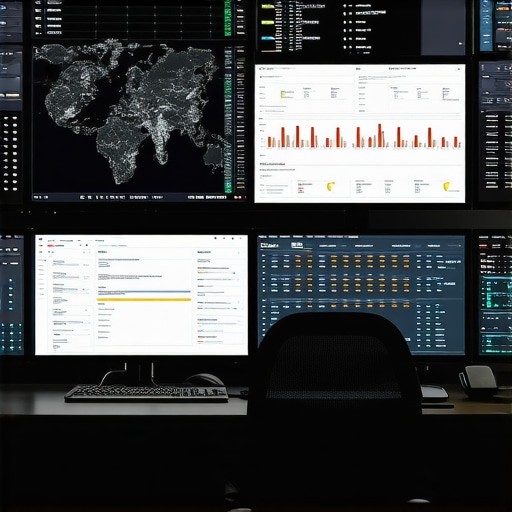
For maintaining long-term support and reducing system failures, combining robust monitoring with automated backup solutions is critical. Here’s an image illustrating how integrated support tools, including monitoring dashboards and backup systems, work together to ensure your infrastructure remains resilient.
Scaling Support Capabilities with Advanced Tools
Growing businesses need scalable support systems that adapt without sacrificing quality. I’ve found that cloud-based support platforms like Freshservice excel in this area, offering modular features that expand alongside your operations. These tools support tiered support levels, automating routine inquiries and escalating complex issues efficiently. As support needs increase, integrating AI chatbots—like those built into Freshservice—can handle initial diagnostics, freeing up your human experts for more intricate tasks. The key is selecting tools that not only support current demands but are flexible enough for future expansion, ensuring you won’t need costly overhauls later. Industry insights suggest that businesses leveraging AI-enabled support tools decrease resolution times by up to 30%, making scaling smoother and more predictable (read more about scalable support strategies). Start by testing these technologies in a controlled environment and see how they can reinforce your guaranteed support commitments.
What steps can you take today to upgrade your support tools for future growth?
Begin by evaluating your current support processes against your projected growth. Implement pilot programs using AI-driven support platforms, and establish clear metrics for measuring improvement. Remember, the right tools will not only keep your support running smoothly but will also solidify your trust in local experts—who can integrate these systems seamlessly, providing guaranteed support services for lasting customer satisfaction. Now’s the time to initiate these upgrades and stay ahead in 2026 and beyond.
Uncover the Little Secrets that Changed My Approach
One of my biggest lessons was realizing that support guarantees aren’t just formalities—they’re your shield against unforeseen costs. I once dismissed detailed support clauses and faced days of downtime with no recourse, which was a hard wake-up call. The second insight was that local experts often have nuances in their support commitments that aren’t immediately apparent and can make or break your budget. Lastly, I learned that ongoing relationship management and periodic support reviews keep your support policies resilient—and that neglecting them opens the door to surprises. These revelations taught me to scrutinize every support promise, ensuring I was protected before crises hit.
My Top Resources to Sharpen Your Support Strategy in 2026
I swear by this guide on critical support clauses for constructing ironclad contracts—it’s the backbone of dependable support. For vetting local experts thoroughly, the targeted vetting questions checklist is invaluable; it reveals whether their promises hold weight. Once support is in place, monitoring tools like Datadog and Nagios act as your eyes and ears, catching issues early. Finally, knowing how to claim service credits ensures your budget stays protected when guarantees are breached—an often overlooked but crucial step.
Turn Your Support Approach Into a Power Play
Now that you’re armed with these insights, it’s your turn to prioritize support policies that truly serve your future needs. Don’t wait for a crisis—revisit your contracts today, ask those hard questions, and implement monitoring systems to keep support providers accountable. Building a robust, guarantee-backed support structure is no longer optional but essential for thriving in 2026 and beyond. Remember, thoughtful preparation today transforms support from a cost center into a strategic advantage. Are you ready to elevate your support game and safeguard your investments? Share your plans below—I’d love to hear your approach to making support policies truly work for your business.