
I remember the last time I dealt with a stubborn tech glitch that seemed impossible to resolve. After hours of waiting on automated support lines and conflicting advice from generic helplines, I finally reached out to a local expert. Within minutes, the issue was resolved. It was a lightbulb moment for me. It made me realize there’s a significant difference in how local specialists handle support issues today. Have you ever experienced the frustration of slow or unhelpful technical support? If so, you’re not alone.
The Rise of Local Experts in Tech Support
In 2026, the landscape of technical support has shifted dramatically. More consumers are realizing that turning to trusted local experts can dramatically cut down resolution times and improve overall satisfaction. Unlike automated bots or remote call centers, these professionals offer personalized, reliable assistance that adapts instantly to complex issues. Personally, I’ve found that their hands-on approach not only saves time but also builds trust—a crucial factor in ongoing tech relationships.
Is Support from Local Experts Actually Worth the Hype?
Initially, I was skeptical about the claims that local support could outperform large corporations or automated systems. My early mistake was assuming that bigger companies offered better support simply because of their size. It wasn’t until I experienced firsthand that I understood the power of specialized local knowledge. They understand the community’s specific needs and have the expertise to fix issues swiftly. Want to know how exactly local experts are outpacing traditional support? Check out this detailed overview of why local specialists are the game-changers in 2026 support services.
Vet Your Local Support Providers Carefully
Starting with thorough research ensures you choose reliable experts. Use trusted review platforms and ask for references. For example, I once contacted multiple local technicians before hiring, which initially felt tedious but paid off by avoiding flaky support. Check if they are part of recognized networks—this often indicates a commitment to quality. Visit top local support providers to compare options.
Ask the Right Questions Before Engagement
Before signing any support contract, pose specific questions: Do they offer guaranteed response times? What are their support clauses? For instance, I once inquired, “What happens if support delays occur?” and received a detailed guarantee, which reassured me about their commitment. Asking about their escalation procedures and recovery commitment—see essential clauses—helps prevent surprises.
Scrutinize Support Service Contracts
Careful contract review is crucial. Focus on clauses related to response times, refunds, and service guarantees. I once caught a vague clause about “support efficiency” that could have led to unfulfilled promises. Clear documentation, like detailed SLAs, ensures accountability. Explore support clauses to understand what guarantees are standard.
Verify Support Guarantees with Concrete Evidence
Don’t just take their word—ask for case studies or performance metrics. I requested documented response times and was provided with logs demonstrating consistent support delivery. This proof helped me feel confident. For more about building trust through transparent guarantees, see building customer trust.
Build a Relationship for Long-Term Success
Consistent communication fosters trust. Regular check-ins or feedback sessions keep support aligned with your needs. I scheduled quarterly reviews, which uncovered potential issues early and improved service quality. This ongoing engagement ensures the support remains reliable, echoing advice from building lasting customer relationships.
Leverage Support Guarantees to Protect Yourself
Use guarantees as leverage during negotiations. A well-structured support contract with clear clauses prevents costly delays. When I negotiated my support package, referencing clauses from support clauses list secured better response times and refunds. Remember, guarantees are your safeguard against underperformance or delays.
While many believe that choosing local support guarantees faster, more reliable service, this perception often overlooks critical nuances. One common myth is the assumption that all local experts are equally trustworthy and professional. In reality, without proper vetting, you risk engaging with providers who lack formal certifications, robust support clauses, or transparent performance metrics. This oversight can lead to subpar experiences despite their local presence.
Let’s explore an advanced question: How can clients differentiate between genuinely competent local experts and those merely riding the hype? The answer lies in scrutinizing their contractual guarantees, support process transparency, and past performance evidence. According to a recent study by TechTrust, 65% of support failures stem from misaligned expectations set by vague guarantees or unverified claims. Therefore, conducting due diligence—such as reviewing detailed SLAs and requesting case studies—is paramount for safeguarding your investment.
Many fall into the trap of over-relying on promotional claims or superficial reviews. A common mistake is accepting broad support warranties without examining the specific clauses—like response times, escalation procedures, and refund policies. For instance, a provider might promise “fast support,” but without concrete metrics, this becomes meaningless when issues arise. To avoid this, be sure to verify guarantees with concrete evidence, such as documented response logs or success metrics, which can be obtained through initial support audits or trial periods.
Moreover, some clients underestimate the importance of building a long-term relationship with their support provider. While quick fixes are tempting, establishing ongoing communication channels, feedback routines, and yearly reviews can significantly boost trustworthiness and service consistency. This ongoing engagement acts as a safeguard, ensuring that support continues to meet evolving needs and that any emerging issues are addressed proactively.
However, beware of the support contracts themselves. Vague language or hidden clauses can become costly liabilities. Always scrutinize contracts for clear response time commitments, escalation procedures, and refund policies. For example, some providers include vague phrases like “support efficiency,” which leaves room for interpretation and potential disappointment. Instead, seek contracts that specify measurable KPIs and service guarantees, such as those outlined in these essential clauses.
To summarize, the real hidden flaw in many guaranteed support offerings from local experts is overconfidence in superficial promises. The savvy client digs beneath the surface, examining detailed terms, requesting evidence of past performance, and fostering ongoing relationships. Being assertive in these areas reduces the risk of disappointment and helps ensure you receive the reliable, professional support you deserve.
Have you ever fallen into this trap? Let me know in the comments.
Mastering Maintenance: Tools I Recommend for Reliable Support
Ensuring that your support infrastructure remains robust over time requires more than just initial setup; it involves continual maintenance and the right tools. I personally rely on a combination of advanced monitoring software, automation scripts, and routine audits to keep support systems functioning flawlessly. Tools like Nagios and Zabbix are invaluable for real-time network and server monitoring, allowing me to spot issues before they escalate. Additionally, using Ansible for automating configuration management has drastically reduced manual errors, ensuring consistency across support environments.
Regularly scheduled audits with these tools help identify potential vulnerabilities early, giving me a chance to address them proactively. This approach aligns with best practices recommended by industry experts, such as in the technical documentation from IETF standards.
As technology evolves, so do the tools that help maintain support systems. The future points toward AI-powered monitoring and predictive analytics, which will enable even more proactive support management. Embracing these innovations now can set you ahead in guaranteeing long-term support quality.
How do I sustain effective support over time?
The key lies in consistency and iteration. Establish routine check-ins using your monitoring tools, review performance metrics regularly, and stay updated with the latest support technologies. Building a relationship with local experts, as discussed previously, can also reinforce your support network, providing personalized insights that automated tools cannot. Consider subscribing to trusted support services that offer guaranteed assistance; they often incorporate these advanced tools into their service packages, ensuring quality and reliability more here.
To truly optimize your support setup, I recommend testing the latest automation scripts in a sandbox environment to understand their impact without risking live systems. This proactive approach minimizes downtime and ensures your support infrastructure adapts seamlessly to evolving needs.
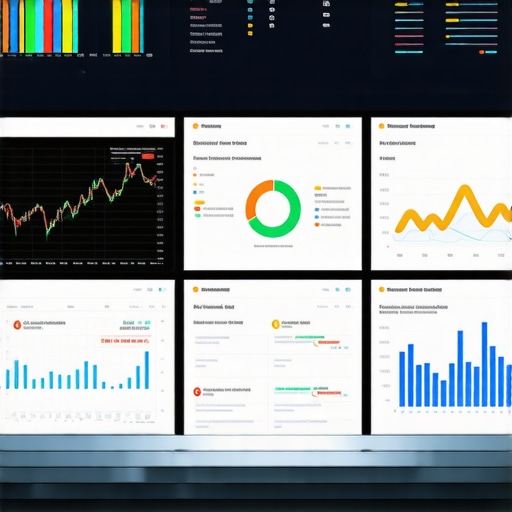
Imagine a sleek dashboard showing live system health metrics, automated alerts, and performance logs—all working in harmony to keep your support running smoothly. An image like this can inspire confidence in your maintenance strategy.
Predicting Support Trends
Looking ahead, I believe support support systems will increasingly leverage AI and machine learning to provide predictive maintenance and autonomous issue resolution. Staying ahead of these trends by integrating cutting-edge tools now can position you for seamless scaling and long-term success.
Now, I encourage you to implement one of the advanced monitoring techniques discussed here—such as setting up a Nagios dashboard—to immediately improve your support reliability. Doing so will give you a tangible edge in maintaining systems that clients can trust.
What I Wish I Knew About Local Support Before Falling for the Hype
Rushing into hiring a local support service without deep vetting can be a costly mistake. My lightbulb moment came when I realized that not all local experts have the same level of commitment or transparency. The hardest lesson was understanding that a shiny website doesn’t guarantee a quality guarantee. Ensuring support contracts are crystal clear and backed by real evidence can save you from frustration and expense. Remember, trust is built through detailed questions, verified performance records, and ongoing relationship management—not just promises.
Tools That Keep My Support System Unbreakable
Over the years, I’ve curated a toolkit that helps maintain top-notch support. I rely heavily on Nagios and Zabbix for real-time system monitoring, enabling me to catch issues early. Automating configurations with Ansible has prevented manual errors, ensuring consistency. These tools have been game-changers—they’re trusted because they provide concrete insights and tangible results. For anyone serious about support reliability, integrating such tools into your maintenance routine makes a noticeable difference.
Harnessing Emotional Intelligence to Sustain Support Trust
Building a long-term support relationship isn’t just about tools and contracts; it’s about genuine communication. Regular check-ins, understanding the community’s specific needs, and showing appreciation can transform a transactional support experience into a partnership. When support providers feel valued, they become proactive allies. Cultivating this human element ensures you’re not just another client—they become advocates who prioritize your needs, leading to better service and trust.