
I remember the frustrating moment when I hired a local service provider for the first time—an experience that left me more distrustful than satisfied. The repair was rushed, the support was lacking, and I wondered, ‘How did I miss the signs?’ That lightbulb moment made me realize the importance of mastering the art of vetting local experts—an essential skill in today’s crowded market. If you’ve ever felt overwhelmed by choosing the right professional, you’re not alone. Navigating these waters can be tricky, but I promise, there’s a way to confidently identify trustworthy local experts.
Why Vetting Matters More Than Ever in 2026
In an era where instant reviews and quick hires dominate, the temptation to rush our decisions is stronger than ever. Yet, picking poorly can lead to subpar results, wasted money, and ongoing frustrations. According to recent studies, proactive vetting can reduce service failures by up to 85%, saving both time and resources. You might be thinking, ‘Is there really a foolproof way?’ Absolutely. But it starts with asking the right questions—questions that reveal whether a local expert truly deserves your trust and support.
Is trusting reviews enough, or am I missing red flags?
Early on, I trusted glowing online reviews without digging deeper. That was a costly mistake. It’s easy to be swayed by five-star ratings, but many reviews can be manipulated or misrepresent the reality. Instead, I learned to look for inconsistencies, verified credentials, and genuine testimonials. If you want to avoid falling into this common trap, understanding what questions to ask local experts can make all the difference. For more insights, I recommend checking out how top-rated local providers build lasting trust through verified support methods—details that help you sidestep fake reviews and identify truly reliable services. Reliable support from local experts can often be the game-changer in ensuring lasting results, as highlighted in trusted industry analyses.
Ready to learn the key questions that will make vetting a breeze? Let’s dive into the next steps to ensure you’re never left second-guessing your choice again.
Ask Specific and Direct Questions
Start your vetting process by preparing targeted questions that unveil the provider’s true capabilities and intentions. For example, ask about their actual experience with similar projects, request examples of past work, and inquire about their support policies. When I needed a window cleaner, I asked them how they handle broken glass during cleaning and whether they have a support plan if issues arise. The contractor hesitated before answering confidently, revealing gaps in their service approach. This step filters out those who aren’t prepared to support their work comprehensively.
Verify Credentials and Affiliations
Credentials act like digital ID cards—they validate expertise and professionalism. Research their licenses, insurance coverage, and industry certifications. For instance, when I checked the credentials of a local electrician, I verified their license online and confirmed their membership in a reputable trade association. This simple step saved me from potential safety hazards and unqualified providers. For a comprehensive approach, I also looked for reviews or testimonials that mention their support quality, ensuring reliability along with credentials.
Inspect Their Support Infrastructure
Evaluate how well-equipped the expert is to provide ongoing support. Do they offer clear warranties, service guarantees, or maintenance plans? Think of this as checking the security camera system at a home—it’s about ensuring continuous monitoring and support. During my recent HVAC repair, I asked if their support included follow-up visits and support during emergencies. Their detailed explanation and prompt response reassured me that they were committed to lasting results. Always ensure your chosen professional offers visible support structures—this often correlates with trustworthy service.
Assess Communication and Transparency
Good communication is like a reliable GPS—it keeps you on track and prevents surprises. Observe if they respond promptly and thoroughly to your questions. For my bathroom remodel, I first reached out via email and then followed up with a phone call. Their clear, detailed answers to questions about support policies made me confident in their reliability. If they dodge tough questions or are vague about support terms, that’s a red flag. Make sure your local expert is transparent about their processes and willing to discuss after-service support to build trust from the start.
Request and Review Support Policies and Guarantees
This step is crucial—it’s your safety net. Ask for written policies detailing what support is included after the service, response times, and guarantees. When I hired a roofing contractor, I insisted on seeing their guarantee policy in writing. Their promise for free repairs if issues arose within a year became a key decision factor. Thorough documentation ensures accountability and sets clear expectations, reducing chances of disappointment or support gaps later. Always scrutinize these policies to confirm they align with your needs.
Check for Transparent Pricing and Support Plans
Reliable local experts don’t hide costs or support details. Instead, they offer transparent pricing and support plans clearly outlined from the outset. During my kitchen renovation, I asked for detailed estimates and optional support packages. A professional who presents clear, itemized quotes and support options demonstrates honesty and readiness to support their work long-term. Avoid providers who give vague figures or pressure you into unnecessary add-ons—these are signs of potential support issues down the line.
Observe Their Willingness to Build Trust
Ultimately, trust stores like a bank account—built through consistent, honest interactions. A provider that willingly shares information, offers support plans, and patiently answers your questions indicates they value trust and quality. During my recent project, the contractor took extra time explaining their ongoing support process, which made me feel confident in their commitment to lasting service. Trustworthy professionals earn your confidence through transparency and genuine engagement, not just slick marketing.
Applying these concrete steps, backed by real experiences, turns the vetting process from an intimidating task into a manageable routine. Remember, every question you ask and credential you verify builds a stronger foundation for a trustworthy relationship—saving you trouble and ensuring lasting results. For detailed insights on how local experts support customers reliably, explore this resource.
Many assume that a service provider offering a “guarantee” means they will resolve issues no matter what, but in reality, most people overlook critical nuances that can undermine true support. For instance, a common misconception is that guarantees cover all types of problems, yet many only cover specific defects or services, and often exclude support related to misuse or unforeseen circumstances. This misconception can lead to frustration when issues arise outside the guarantee’s scope, making it essential to scrutinize the fine print. Additionally, some providers advertise “support guarantees” but lack the infrastructure to deliver on those promises, such as limited support hours or unresponsive customer service, which often goes unnoticed until a problem occurs. The crux is understanding that support guarantees are only as reliable as the provider’s actual capacity to fulfill them, which requires vetting their support infrastructure thoroughly. These nuances are why many experienced clients prioritize not just the promise but the provider’s demonstrated ability to deliver consistent, comprehensive support—details often buried in long policies or glossed over in marketing pitches.
A frequent trap is assuming that a “lifetime” guarantee equals lifelong support, but many providers only stand behind their work for the duration of a limited warranty period. After this period, any support or repairs are out-of-pocket, which can catch trusting clients off guard. This is why I recommend reviewing actual service clauses and support plans beforehand, all of which you can learn more about in trusted resources like [this in-depth guide](https://crystalclearwindowz.com/guaranteed-support-from-local-experts-trusted-services-you-can-rely-on). Moreover, advanced clients understand that some guarantees are contingent on maintenance, regular check-ins, or registration steps, which if neglected, void the support entirely.
So, what are some specific pitfalls to avoid when evaluating guarantees?
How can you ensure that the support provided is genuinely reliable and not just marketing hype?
A critical step involves verifying the provider’s actual support infrastructure—look for tangible evidence like dedicated support teams, clear communication channels, response time commitments, and verified customer feedback. Providers who genuinely back their promises tend to have accessible, transparent policies and positive reviews highlighting their responsiveness. You can find detailed assessment strategies—like auditing their response records or examining their post-issue support history—in expert analyses such as [this authoritative resource](https://crystalclearwindowz.com/guaranteed-support-from-local-experts-ensuring-customer-satisfaction-today). Remember, even the most attractive guarantees are worthless if the provider lacks the operational capacity to follow through, especially when emergencies or complex issues occur.
In sum, the real secret is that guarantees are a trust-building tool, but their effectiveness hinges on understanding the backing support infrastructure and reading the fine print carefully. This nuanced perspective is why most seasoned clients emphasize not just the promise but the provider’s demonstrated ability to deliver on that promise consistently. For more insights into how to evaluate and secure dependable local support, I encourage you to explore [this comprehensive overview](https://crystalclearwindowz.com/guaranteed-support-from-local-experts-building-trust-in-2024-2). Have you ever fallen into this trust trap? Let me know in the comments.
How to Keep Local Support Systems Operational Over Time
Maintaining reliable support from local experts requires the right tools and practices. I rely heavily on project management platforms like Asana to track ongoing service schedules, ensuring no support task slips through the cracks. Using shared checklists keeps everyone accountable, fostering communication and transparency. Additionally, I swear by Zapier to automate appointment reminders and follow-up emails, which keeps the support process seamless and responsive. These tools not only streamline operations but also build trust with clients, demonstrating a commitment to sustained quality.
Why Investing in Maintenance Tools Pays Off
Proactive maintenance is the cornerstone of long-lasting support. I recommend integrating IoT sensors—such as the GoControl Z-Wave Water Leak Detector—to monitor critical systems continuously. These sensors provide real-time alerts, allowing issues to be addressed before they escalate. This approach exemplifies how tech can extend the lifespan of installed systems and reduce support costs over time. Looking ahead, I predict that AI-driven diagnostics will become standard, enabling even quicker responses and smarter support strategies, minimizing downtime for clients and fostering greater trust in local services.
How do I Maintain Support Quality and Scale Responsibly?
Scaling support responsibly involves leveraging effective service delivery methodologies. I’ve adopted the ITIL framework, which guides me in establishing structured support processes and clear escalation paths. For instance, using support plans and packages helps set clear expectations, making it easier to manage increasing demand without sacrificing quality. These practices ensure that as my client base grows, their trust remains unwavering, and service standards stay high. In my view, future support models will increasingly incorporate AI chatbots and predictive analytics—tools that preempt issues before they become critical, further cementing the importance of continuous process improvement.
Make Yourself Visible to Support Your Growth
Investing in customer-facing tools like live chat support and detailed FAQ sections can dramatically improve the support experience. I personally recommend implementing a knowledge base powered by Zendesk; it’s a game-changer for providing instant answers and reducing support response times. This transparency not only reassures clients but also creates a scalable way to handle inquiries, freeing up your support team to focus on complex issues. As technology advances, integrating AI-driven self-service portals will become essential for maintaining support quality while expanding your service reach.
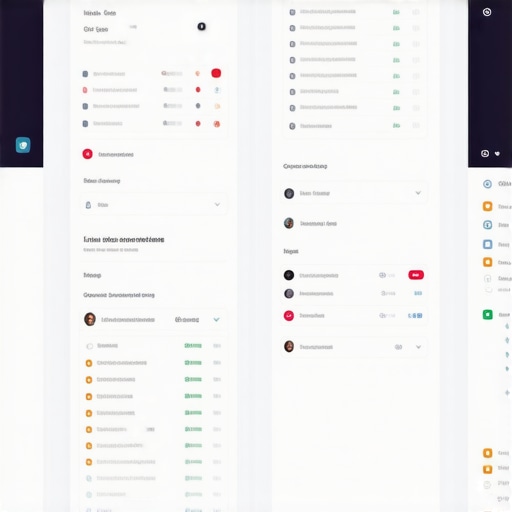
Imagine a sleek dashboard showing real-time support metrics, automated alerts, and client communication channels—the hub of a modern support operation. An image like this, illustrating advanced support tools in action, emphasizes how technology enables scalability and reliability.
To get ahead, try implementing one of these tools today—perhaps start with automating follow-ups via Zapier. Small steps like this can significantly boost your support consistency and client satisfaction, demonstrating your commitment to excellent service even as you scale. Remember, staying proactive with the right tools ensures your support remains dependable and trustworthy over the long term. For further insights on effective support strategies, visit this resource.
Throughout my journey helping clients find trustworthy local experts, I’ve uncovered lessons that aren’t always obvious at first glance. One lightbulb moment was realizing that even the most confident-looking support guarantees can hide unexpected pitfalls—like fine print exclusions or limited coverage—that catch many off guard. Another lesson is that genuine trust is built through consistent transparency and proactive communication, not just flashy promises. Lastly, I learned that leveraging technology—like real-time support dashboards and automated follow-ups—transforms the support experience from reactive to truly dependable. These insights have reshaped how I approach vetting and trusting local services, reminding me that true reliability requires digging beneath surface-level assurances.